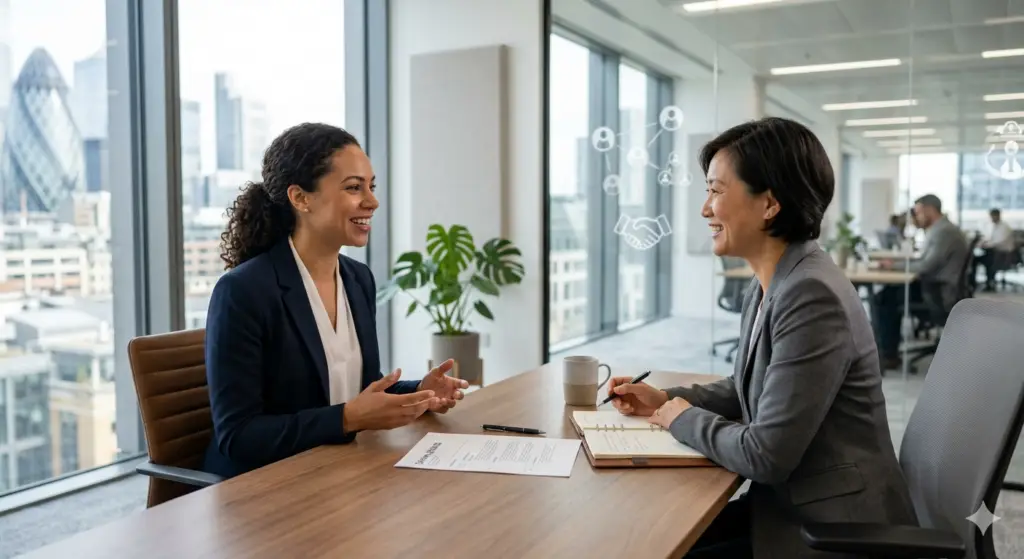

A job interview is one of the most important stages of the recruitment process. It is your opportunity to demonstrate how your experience, skills, personality, and professional goals align with the employer’s needs.
Even highly qualified candidates can miss valuable opportunities because of nervousness, insufficient preparation, or difficulty communicating their strengths effectively.
Today, job interviews involve much more than answering questions. Employers assess communication skills, problem-solving abilities, professional judgment, adaptability, and how well candidates may fit the role and the wider team.
In this guide, Al-Ghad Recruitment shares practical advice to help you prepare for your next interview, answer common questions confidently, and make a strong professional impression.
1. What Is the Purpose of a Job Interview?
A job interview helps employers determine whether a candidate is suitable for a particular position. It allows them to:
- Assess relevant skills, qualifications, and experience.
- Understand the candidate’s approach to problem-solving.
- Evaluate communication and interpersonal skills.
- Explore motivation, professional goals, and expectations.
- Assess how the candidate may contribute to the team.
- Determine whether the candidate’s experience matches the job requirements.
The goal is not necessarily to find the candidate with the most impressive résumé. It is to identify the person whose capabilities and experience best match the role.
2. How to Prepare for a Job Interview
Preparation helps you communicate clearly, manage nervousness, and demonstrate genuine interest in the opportunity.
Research the Company
Before the interview, learn about the company’s business, products or services, values, and recent developments. Understanding the organization will help you explain why you are interested in working there.
Understand the Job Description
Review the job requirements carefully. Identify the essential skills, responsibilities, qualifications, and experience the employer is seeking. Prepare examples that demonstrate how your background meets those requirements.
Practise Common Interview Questions
Think through the questions you are likely to be asked and practise answering them aloud. Focus on clear, relevant examples rather than memorizing scripted responses.
Prepare Your Documents and Appearance
Choose professional attire appropriate for the role and workplace. Prepare any requested documents, keep your résumé accessible, confirm the interview location or online meeting details, and arrive on time.
3. Common Job Interview Questions and How to Answer Them
1. Tell Me About Yourself
What the interviewer wants to know: Whether you can summarize your professional background and explain why it is relevant to the position.
How to answer: Briefly describe your experience, relevant expertise, a meaningful achievement, and your professional direction.
Example answer:
“I am a human resources professional with experience in recruitment and talent management. In my previous roles, I contributed to improving recruitment processes and supporting effective team development. I am now looking for an opportunity where I can apply my experience, contribute to organizational goals, and continue developing professionally.”
Adapt this example to reflect your actual experience and achievements.
2. What Are Your Strengths?
What the interviewer wants to know: Which skills make you a strong candidate for the role.
How to answer: Choose two or three strengths that directly relate to the job, and support them with specific examples.
Relevant strengths might include communication, organization, analytical thinking, teamwork, or problem-solving.
Avoid simply listing positive adjectives. Explain how you have demonstrated these strengths in practice.
3. What Is Your Greatest Weakness?
What the interviewer wants to know: Whether you understand your development areas and take responsibility for improving them.
How to answer: Identify a genuine, manageable area for improvement and explain what you are doing to address it.
Example answer:
“I used to find it difficult to delegate tasks because I wanted to ensure everything was completed correctly. I have been working on setting clearer expectations and trusting team members with responsibility, which has helped me improve my approach to teamwork.”
Choose an example that is honest and appropriate to the role.
4. Why Do You Want to Work With Us?
What the interviewer wants to know: Whether you understand the organization and have a clear reason for applying.
How to answer: Connect your professional interests and relevant skills with the company’s work and the responsibilities of the position.
Example answer:
“I am interested in this opportunity because the role aligns with my experience and professional goals. I believe my skills could contribute to the team, while the position would allow me to take on meaningful responsibilities and continue developing professionally.”
Whenever possible, make your answer specific to the company and vacancy.
5. Where Do You See Yourself in Five Years?
What the interviewer wants to know: Whether you have realistic professional goals and a thoughtful approach to career development.
How to answer: Focus on building expertise, taking on greater responsibility, and contributing more effectively to your organization.
Avoid making promises that are unrealistic or unrelated to the position.
6. Why Did You Leave Your Previous Job?
What the interviewer wants to know: Your reasons for changing roles and what you are seeking in your next position.
How to answer: Be honest and professional. Focus on career development, new responsibilities, or a better match for your skills and goals. Avoid criticizing former employers or colleagues.
Example answer:
“I am grateful for what I learned in my previous role. I am now looking for an opportunity to expand my skills, take on new challenges, and contribute at a higher level.”
Adapt your answer to your actual circumstances.
7. How Do You Handle Work Pressure?
What the interviewer wants to know: How you prioritize tasks, manage competing deadlines, and respond to challenges.
How to answer: Explain your approach to planning, prioritization, communication, and staying focused when demands increase. Support your answer with a real example if possible.
4. Essential Skills for a Successful Interview
Effective Communication
Speak clearly, organize your thoughts, listen carefully, and answer the question being asked. If you need a moment to think, it is perfectly acceptable to pause briefly before responding.
Confidence and Professionalism
Show confidence without exaggerating your abilities. Be respectful, maintain a professional tone, and support your claims with relevant examples.
Positive Body Language
Maintain natural eye contact where appropriate, sit attentively, and avoid distracting movements. In a virtual interview, check your camera, microphone, lighting, and internet connection beforehand.
Active Listening
Pay attention to the interviewer’s questions instead of preparing your next answer while they are speaking. If a question is unclear, politely ask for clarification.
5. Common Job Interview Mistakes to Avoid
Avoid these mistakes that can weaken an otherwise strong application:
- Arriving late or joining an online interview unprepared.
- Failing to research the company or understand the position.
- Giving vague answers without supporting examples.
- Speaking negatively about previous employers or colleagues.
- Exaggerating skills, achievements, or experience.
- Interrupting the interviewer or failing to listen carefully.
- Focusing only on salary and benefits without discussing the role.
- Failing to prepare any questions for the interviewer.
Preparation and professional communication can help you avoid these problems and present your experience more effectively.
6. Questions to Ask at the End of an Interview
When the interviewer invites you to ask questions, use the opportunity to understand the role and demonstrate thoughtful interest.
- What are the main priorities for this position during the first few months?
- How is the team structured?
- What are the biggest challenges facing someone in this role?
- How is performance evaluated?
- What opportunities are available for professional development?
- What are the next steps in the recruitment process?
Choose questions that have not already been answered during the conversation.
7. How to Make a Strong Impression After the Interview
- Thank the interviewer for their time and consideration.
- Follow any instructions provided about the next steps.
- If appropriate, send a brief and professional thank-you message.
- If you have not received an update within the expected timeframe, follow up politely.
- Reflect on the questions and identify areas to improve for future interviews.
Remain professional regardless of the outcome. Every interview can help you develop your communication and presentation skills.
How Can Al-Ghad Recruitment Support Your Job Search?
Al-Ghad Recruitment helps connect talent with employment opportunities through recruitment and talent solutions. Understanding the recruitment process and preparing effectively can help candidates present their qualifications more clearly and approach interviews with greater confidence.
Candidates should review the requirements of each vacancy, ensure their application accurately reflects their experience, and prepare examples that demonstrate their suitability for the role.
To learn more about Al-Ghad Recruitment and its services, visit alghadjo.com.
Conclusion
A successful job interview starts well before the meeting itself. Researching the company, understanding the role, practising relevant questions, and communicating your experience clearly can help you make a stronger impression.
You do not need perfect answers. You need honest, relevant, and well-structured responses that demonstrate your skills, judgment, and potential contribution.
Treat every interview as an opportunity to communicate your value, learn from the process, and move closer to your professional goals.
Frequently Asked Questions
How can I succeed in a job interview?
Research the company, understand the job requirements, practise common questions, and prepare specific examples that demonstrate your skills. During the interview, listen carefully and answer clearly and honestly.
What is the most important job interview question?
“Tell me about yourself” is often an important opening question because it allows you to introduce your professional background and explain how it relates to the position. However, every question provides an opportunity to demonstrate your suitability.
How can I manage nervousness during an interview?
Prepare in advance, practise answering questions aloud, plan your journey or test your online setup, and take a moment to think before responding. Remember that the interview is also an opportunity for you to assess the role.
Should I memorize interview answers?
It is generally better to practise key points than to memorize complete answers. Memorized responses can sound unnatural, while structured preparation helps you respond more naturally to different questions.
What should I do after a job interview?
Thank the interviewer, follow any instructions about the next steps, and send a brief follow-up message when appropriate. Use the experience to identify what went well and what you could improve next time.